Break Free from Limitations and Build the Success You Deserve
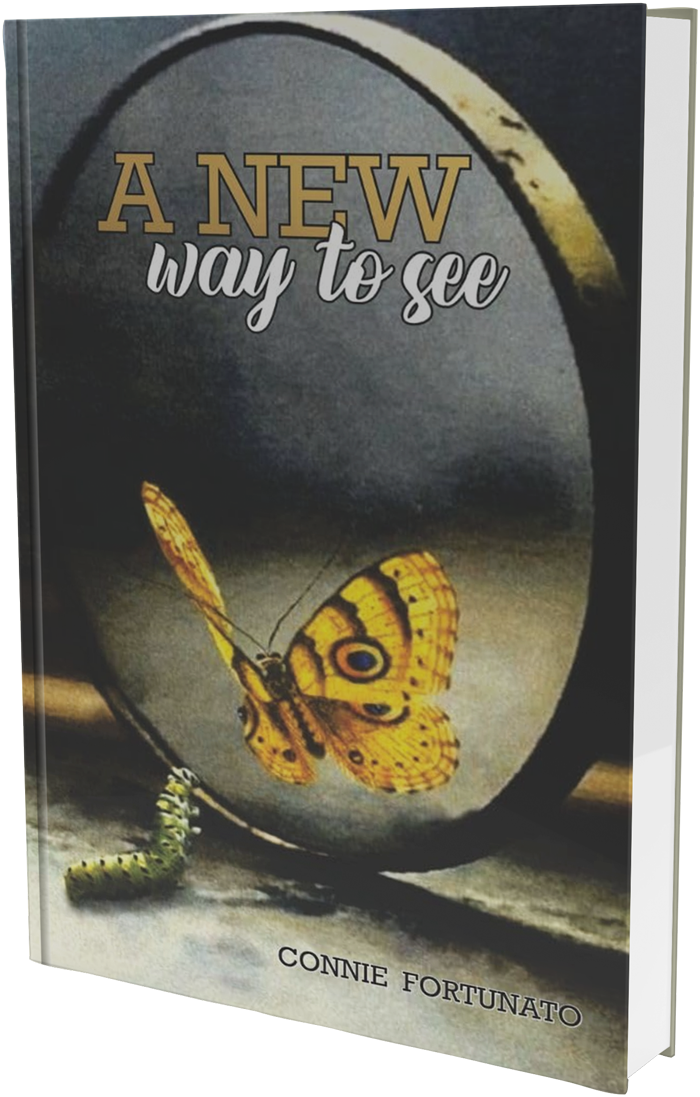
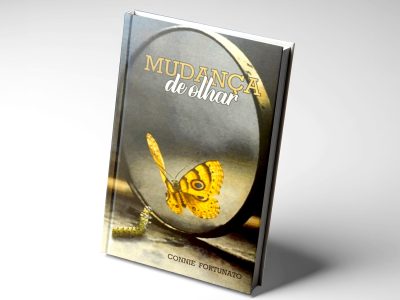
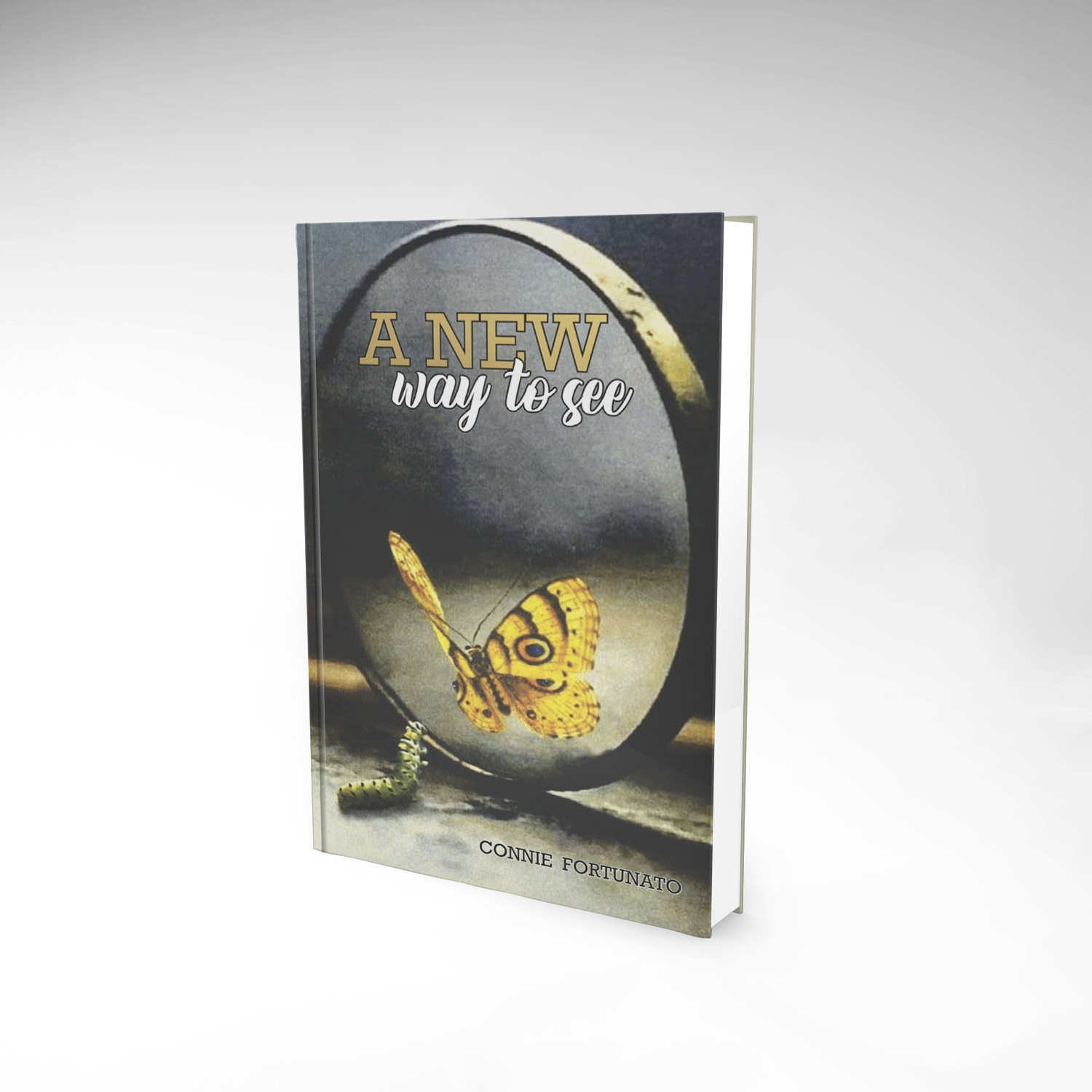
In “A New Vision, A Change of Perspective”, Connie Fortunato invites us on a profound journey of self-knowledge and spirituality, intertwining the ancient wisdom of the scriptures with transformative personal experiences. In this book, the author shares her journey of rediscovery, where life’s challenges become the foundation for growth based on faith, resilience and unconditional love for God and others.
With sincere accounts and inspiring reflections, Fortunato guides us on a path of enlightenment, where universal laws are revealed as sacred principles for a life of fulfillment and harmony.
Through its pages, we are encouraged to build our own spiritual temple, a sacred place within ourselves, where the balance between the material and the spiritual is present in every act of our existence.
This book is a beacon of hope and a manual for all who seek meaning, happiness and a new way of seeing life and the universe. Prepare yourself for a transformation that begins within and extends beyond the horizon of your personal journey.
How can I help you?
Since you’ve come this far, congratulations on taking the first step towards transformation.
Life Coaching
Life Coaching is a personal development process that helps individuals identify and achieve their goals in various areas of life, such as career, relationships, health and well-being. The coach acts as a facilitator, using tools and techniques to encourage self-knowledge, goal setting and the creation of strategies to achieve them.
Unlike therapy, which focuses on the past and deep emotional issues, life coaching focuses on the present and future, emphasizing action and behavior change. The process may involve asking powerful questions, mindset exercises, strategic planning, and ongoing follow-up to maintain motivation and focus.
Although coaching is not a science and does not replace psychological or medical treatments, it can be a valuable resource for those who want to overcome challenges, improve productivity and increase their quality of life.
Neuro-Linguistc Programming (NLP)
Neuro-Linguistic Programming (NLP) is a set of techniques and strategies that study the relationship between the mind (*neuro), language (linguistics) and learned behavior patterns (programming). Created in the 1970s by Richard Bandler and John Grinder, NLP seeks to understand how people process information, make decisions and create their subjective experiences, enabling rapid and effective changes in thinking and behavior.
NLP is widely used in personal development, therapy, business and communication, helping people overcome limiting beliefs, change negative patterns, develop emotional intelligence and improve skills such as persuasion and leadership.
Its methods include techniques such as emotional anchors, belief reframing, excellence modeling, guided visualizations, and rapport (creating connection and empathy). Although it is not a formal science, NLP is valued for its practical applicability and its results in personal and professional transformation.
Clinical hypnosis
Clinical hypnosis is a therapeutic technique that uses a state of deep relaxation to promote changes in thinking, emotions and behavior. Unlike entertainment hypnosis, clinical hypnosis aims to treat issues such as anxiety, phobias, chronic pain, insomnia, addictions and trauma.
During the session, the therapist guides the patient into a state of deep relaxation and focused concentration, facilitating access to the subconscious. In this state, the mind is more receptive to positive suggestions, helping to reprogram beliefs and habits.
Clinical hypnosis can be used alone or in conjunction with other therapeutic approaches, such as NLP and psychology. It is recognized by several medical and psychological associations as an effective tool for improving well-being and quality of life.
Ho’oponopono
Ho’oponopono is a Hawaiian healing and reconciliation practice that seeks to clear negative memories and restore emotional balance. It is based on the idea that we are responsible for our reality and that we can transform it through forgiveness, gratitude and love.
The technique consists of repeating four key phrases:
1. I’m sorry – Acknowledgement of the problem or pain. 2. Forgive me – Request for forgiveness, taking responsibility for the situation. 3. I love you – Expression of unconditional love and connection with divine energy. 4. I am grateful – Gratitude for the opportunity for healing and learning.
Ho’oponopono can be practiced individually, in meditations or during moments of reflection, and aims to dissolve negative patterns, bringing more peace, harmony and clarity to life. Although it has spiritual roots, it is not linked to any specific religion and can be applied by anyone.
EFT (Emotional Freedom Techniques)
EFT (Emotional Freedom Techniques) is a therapeutic approach that combines elements of acupuncture, psychology and neurolinguistics to alleviate negative emotions and promote well-being.
The technique involves stimulating specific points on the body, called energy meridians, by gently tapping with the fingertips, while the person verbalizes phrases that describe their emotion or problem. This process helps to release energy blockages and reprogram the emotional response to certain situations.
EFT is used to treat anxiety, stress, trauma, physical pain, fears, compulsions, and limiting beliefs. Because it is simple and accessible, it can be applied by both therapists and individuals in their daily lives. Although studies on its effectiveness are still ongoing, many report significant results in reducing emotional distress.
Reiki
Reiki is a Japanese energy therapy technique that aims to promote balance and well-being through the laying on of hands. Created by Mikao Usui in the early 20th century, Reiki is based on the idea that there is a universal life energy (Ki) that can be channeled to harmonize the body, mind and emotions.
The practice consists of a therapist or practitioner placing their hands on or slightly above the recipient’s body, allowing the energy to flow to promote relaxation, relieve stress, strengthen the immune system and aid in physical and emotional recovery.
Reiki is not linked to any religion and can be practiced by anyone who receives attunement (or initiation) from a Reiki master. There are different levels of learning, and the practitioner can evolve according to their experience and connection with the energy.
In addition to being used as a complementary therapy in hospitals and clinics, Reiki can also be applied remotely, to objects, environments and even animals. Although science has not proven its effectiveness in a concrete way, many reports indicate significant benefits, especially in reducing stress and promoting general well-being.
The book is not just a reading, but a transformative experience. It shows that changing the way we see what time has woven can be a real game changer.
Based on a real transformation
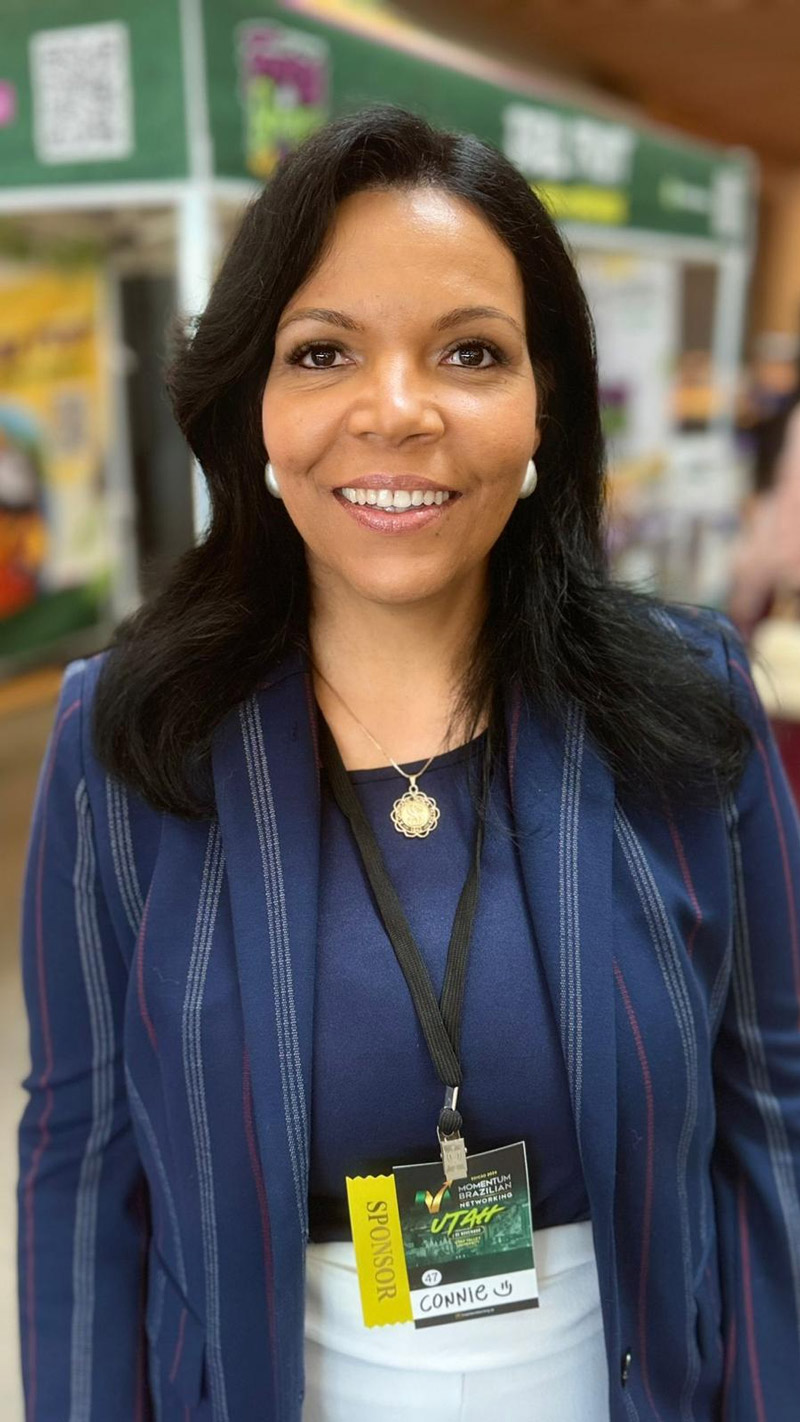
Connie Fortunato doesn’t just teach about resignification, he lived it. He himself went through a profound process of changing his perspective and is proof that reinterpreting the past can open doors to a completely new future.
Practical tools for change
The book presents techniques and reflections that help to reframe experiences, break patterns and develop a new perspective on oneself and the world.
Self-knowledge and liberation
With accessible and engaging language, the work helps identify limiting beliefs and build a life with more lightness and purpose.
Transformative content
Based on years of study and experience, A New Way to See has already impacted many people, helping them give new meaning to their stories.
Stories of Transformation and Success
Many people have already had their lives changed
My name is Fábia, and I work for a prestigious multinational company in São Paulo.
With all the hustle and bustle, work, and children, the stress level ends up being high, especially with the loss of my mother. Doing the things I learned from my coach Connie Fortunato gave me more clarity about what I wanted for my family and professional life.
I was able to notice details that I didn't see before, and with that, my personal, family, and spiritual life improved a lot.
I've been setting goals since I learned to connect better, and I know I can achieve my goals!
I'm super excited and grateful. I didn't know how important your work was, Connie Fortunato, until it had an impact on my life. What would 2020 have been like if it weren't for your always efficient help and affection?
I'm grateful.
I found the book's proposal very interesting, it's not something we're used to reading. Each chapter begins by explaining the topic, giving us different perspectives with each explanation, and we also have experiences, it's not something that's just talked about, but rather lived. With each chapter that passes, the puzzle is completed; the topics, the experiences, the explanations... everything fits together and makes sense. I found it very interesting because it's not just about religion, but also a life story, it manages to mix things up and make it something good to read. Sometimes people get bored because it's a very repetitive subject, but the book isn't like that, it brings the scriptures, then explanations, then personal experiences, situations... it diversifies the subjects. Everything in the book makes sense, it covers each topic and gives us several explanations about them, that is, regardless of the person's mind, they will understand what she meant, it digests each subject very well. In the days we live in, each theme of each chapter serves very well for our life, we need to have faith, pray, forgive, our thoughts, we are intelligences, about our goals, dreams, desires... and so on. This book will certainly change our outlook, change how we see life and mainly change it.
Transform Your Life with the Knowledge of Someone Who Has Inspired Thousands
Buy Connie Fortunato’s book now and take home her techniques, insights and learnings. Learn how to use self-knowledge and overcoming tools to achieve success, balance and happiness.